Natural sources
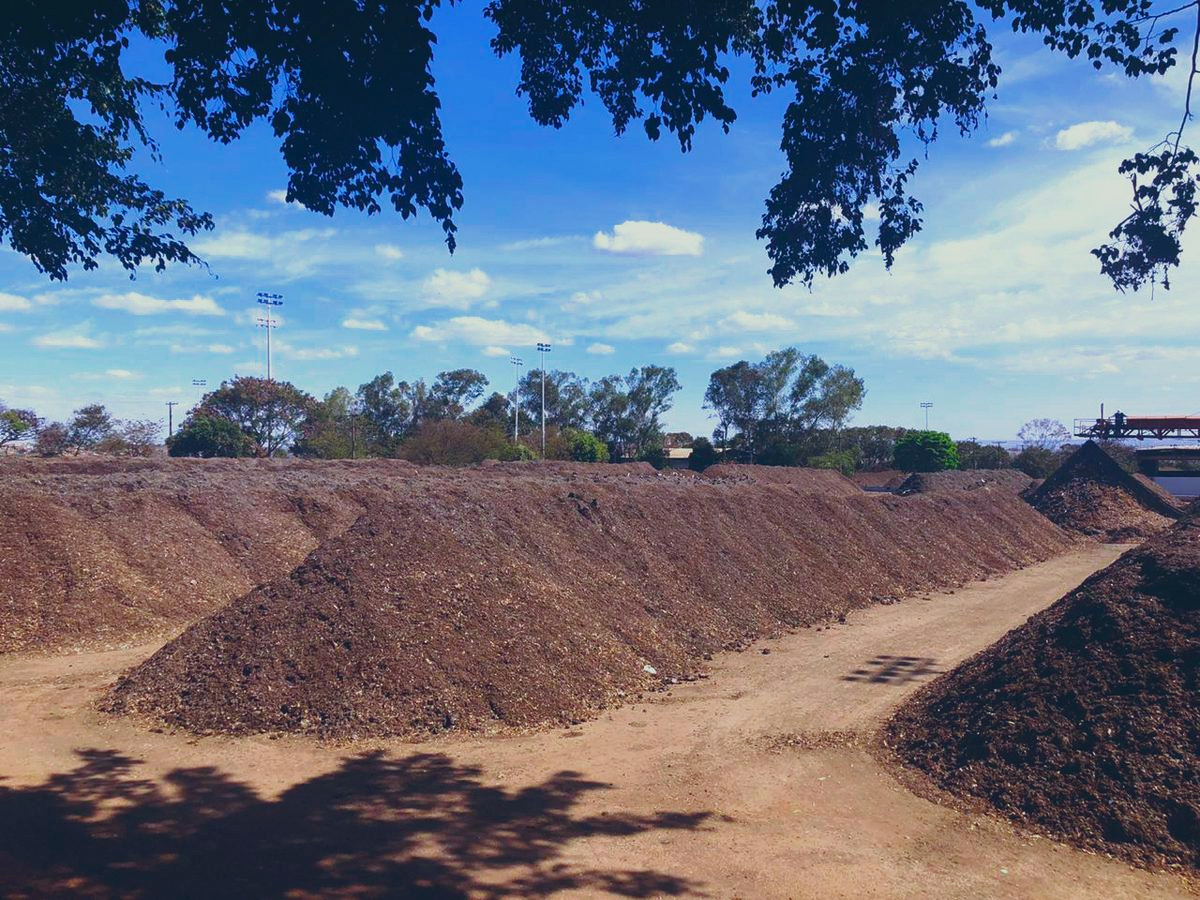
Wetlands, oceans and the decomposition of organic matter.

Methane
Methane (CH4) is considered one of the most potent greenhouse gases (GHGs) and a major contributor to global warming.
Warming

According to the World Meteorological Organization (WMO), the period from 2015 to 2025 comprised the 11 warmest years on record since measurements began in 1850, showing the continuous trend of global warming.
Despite its much smaller presence in the atmosphere compared to carbon dioxide (CO2), methane has a much greater ability to trap heat than CO2:
In the first two decades
80
times
greater than CO2 after its emission into the atmosphere
After 100 years
about 30
times
greater than CO2
Sources
Wetlands, oceans and the decomposition of organic matter.
Generated by human activities across the most diverse sectors of the economy.
GHG emissions from the different sectors of the economy continue to rise rapidly, warming the atmosphere and the oceans, which has also increased natural emissions as polar ice melts, making it urgent to tackle methane emissions in order to limit global warming to 1.5 °C.
Urgency
Methane contributes to global warming. Reducing its emissions can limit warming in the short term and complement the reduction of CO2.
The Paris Agreement ↗ aims to hold the increase in the global average temperature well below 2 °C above pre-industrial levels and to pursue efforts to limit it to 1.5 °C.
Reducing greenhouse gas emissions is essential to limit global warming. Methane mitigation can deliver benefits in the short term.
Priority
The “upside” of methane emissions is their short lifetime in the atmosphere, about 12 years on average, unlike CO2 emissions, which last for centuries.
The combination of short lifetime and extreme potency has made methane the main focus of efforts to combat climate change in the short term.
Natural sources of methane include wetlands and the decomposition of organic matter. Mitigation efforts focus mainly on emissions associated with human activities.
Efforts and investments are being made worldwide to control emissions in the sectors where they are generated in the largest quantities, such as agriculture, the oil and gas industry and urban waste management.
The goal is to reduce methane emissions on a large scale as efficiently and quickly as possible, using sustainable and viable technologies and streamlining industrial processes and management systems.
Waste
The decomposition of organic matter in dumps and landfills generates methane. Proper treatment of organic waste and landfill gas management help reduce these emissions.
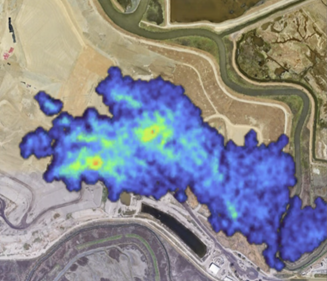
Through the analysis of satellite imagery (such as Kayrros Methane Watch), available free of charge, it is possible to identify where the largest sources of methane emissions in the world, generated by many sectors of the economy, are located.
Legal aspects · Reference studies and reports: UNEP ↗ IPCC AR6 ↗ WMO 2025 ↗ Climate and Clean Air Coalition ↗
Continue to