of the 650 t/day of unsorted waste received is diverted from landfill
Annual emissions reduction (year 10)
34,800
tCO2e
annual emissions reduction, for year 10
Production of certified organic compost
48,000
tonnes/year
of certified organic compost
SB COP
Recognition by the Sustainable Business COP 30
The Sustainable Business COP 30 (SB COP) is a major global initiative led by the Brazilian National Confederation of Industry (CNI) to promote the engagement of the business sector in combating climate change and accelerating the transition to a low-carbon economy.
The case submitted to the Sustainable Business COP 30 (SB COP) ↗ by Aiesse Ambiental was recognized as an innovative, scalable solution that generates social, environmental and economic results aligned with the Paris Agreement, an international treaty that aims to limit global warming to less than 2 °C compared to pre-industrial levels.
The case shows, in practice, that recyclable materials and the organic fraction can be recovered even when everything is collected mixed together (= unsorted waste) in a single “garbage bag”, the usual practice in countries like Brazil, where public participation in door-to-door selective collection programs is still very low.
Since people do not separate the different fractions (recyclables, organics and rejects) at home, the unsorted waste collected must be sent to industrial Mechanical Treatment units, where it is separated into the three major fractions.
Process
How the MBT plant works
It is a viable and sustainable technology that has been operating at full scale for more than 10 (ten) years, proving its complete viability in Brazil; it complies with existing environmental legislation and technical standards and follows the guidelines set by the resolutions of Brazil’s National Water and Sanitation Agency (ANA).
To understand the plant, follow the five steps: from the aerial view to videos of the operation.
Garbage bags are opened mechanically (bag opener) and the waste is screened.
Mechanical treatment - Stage 2
Manual sorting
After screening, the recyclable fraction is directed to manual sorting carried out by members of the cooperatives.
Social inclusion of cooperatives
Manual sorting of recyclables is carried out by members of recycling cooperatives, who are part of the industrial process.
That is why it is essential that, whenever possible, waste treatment industries are located within the urban area and involve waste picker cooperatives in the industrial process, which ensures greater safety and productivity in sorting and helps solve one of the biggest problems still facing Brazil: social inequality.
Depending on the project, manual sorting can be complemented by automated sorting technology using optical readers, which makes material separation more efficient.
4Biological treatment: composting piles in the yard and the final product
The quality of the compost produced is certified through periodic tests by independent laboratories.
Organic compost for agriculture
This case was implemented in Ceilândia, Federal District, near a region with strong demand for organic compost as an input to increase agricultural production.
Aiesse Ambiental therefore prioritized the Biological Treatment (BT) of the organic fraction through industrial-scale aerobic composting, a biological process that speeds up the decomposition of organic matter and prevents unpleasant odors for the neighborhood.
The process is monitored by technological controls that ensure the quality of the organic compost produced, which is certified through periodic tests carried out by independent laboratories.
5Videos of the operation
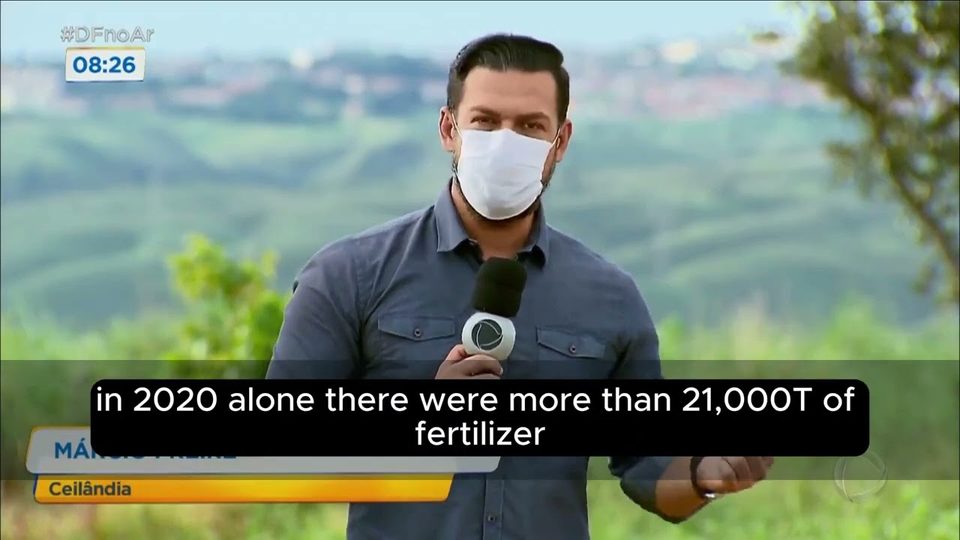
The videos below show details of the operation of the industrial MBT unit whose case Aiesse Ambiental submitted to the SB COP.
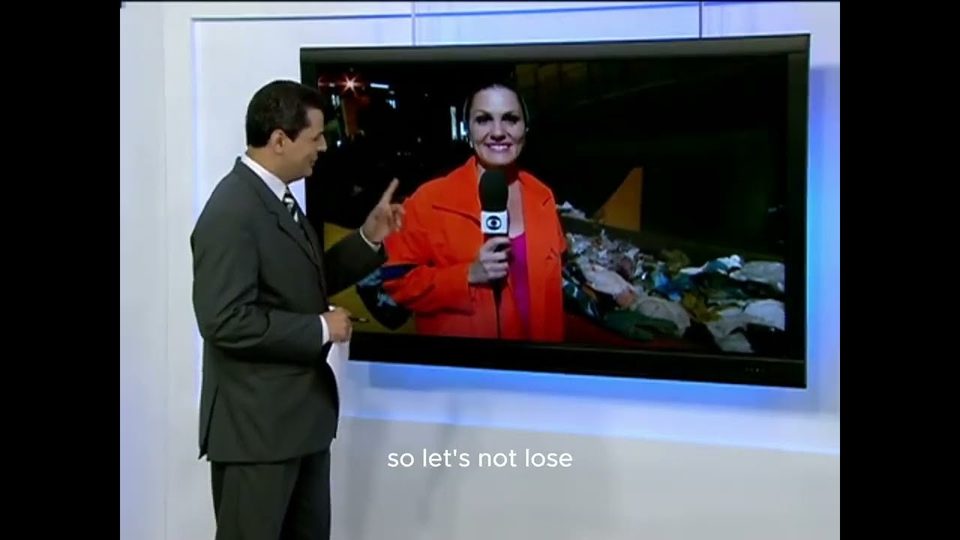
Ceilândia waste sorting plant is one of the largest in Brazil (English subtitles)

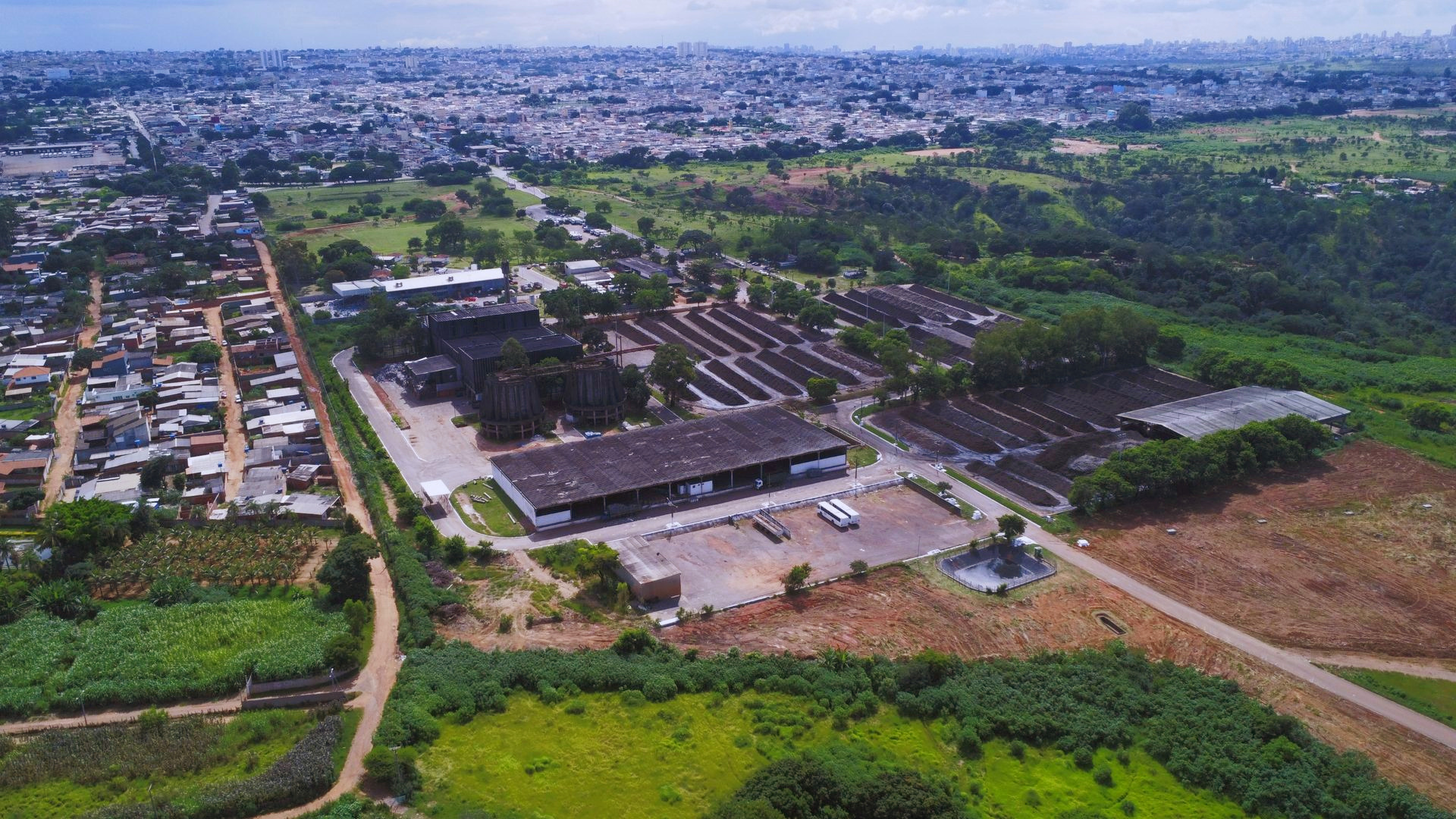 · Enlarge photo



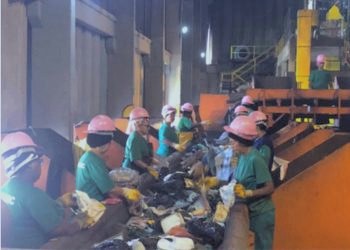
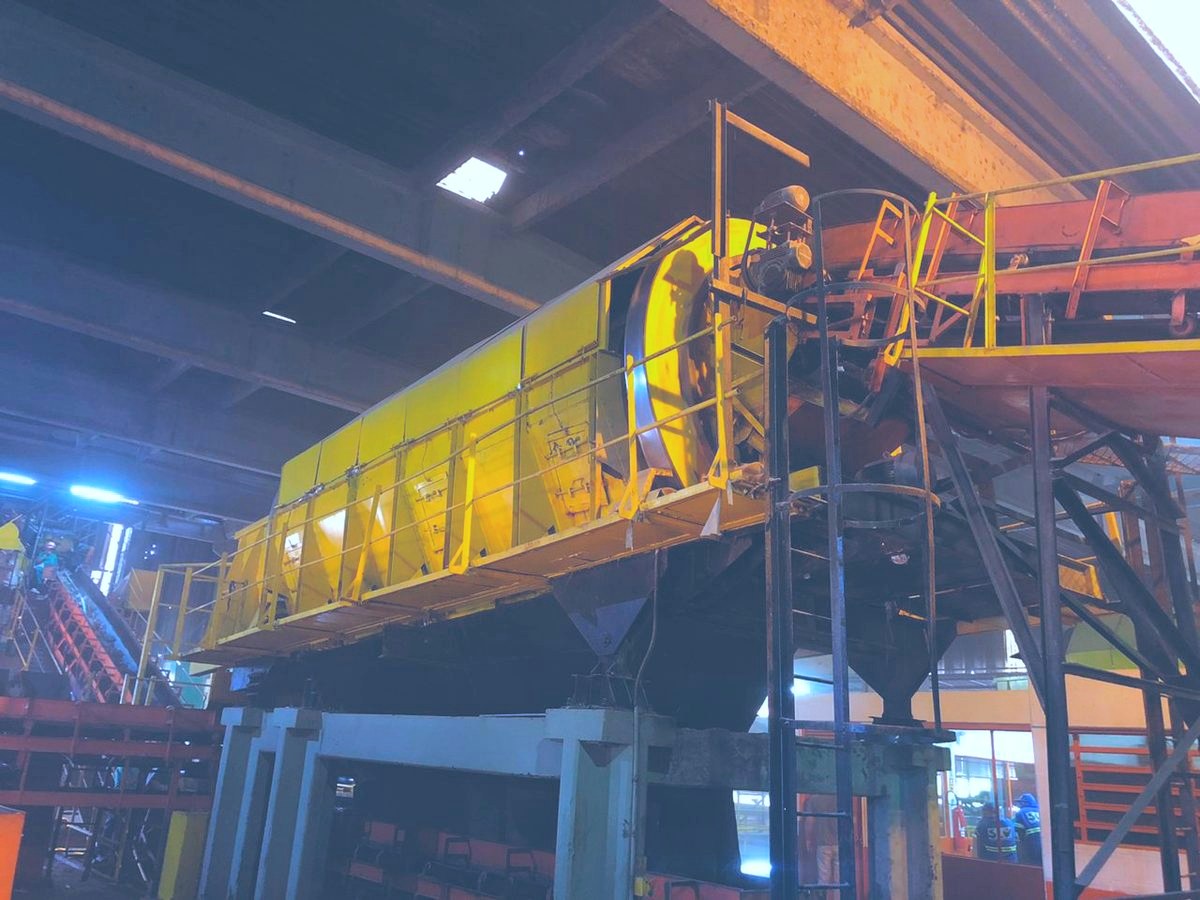 Mechanical Treatment bag opener, rotary screens, conveyors for manual sorting
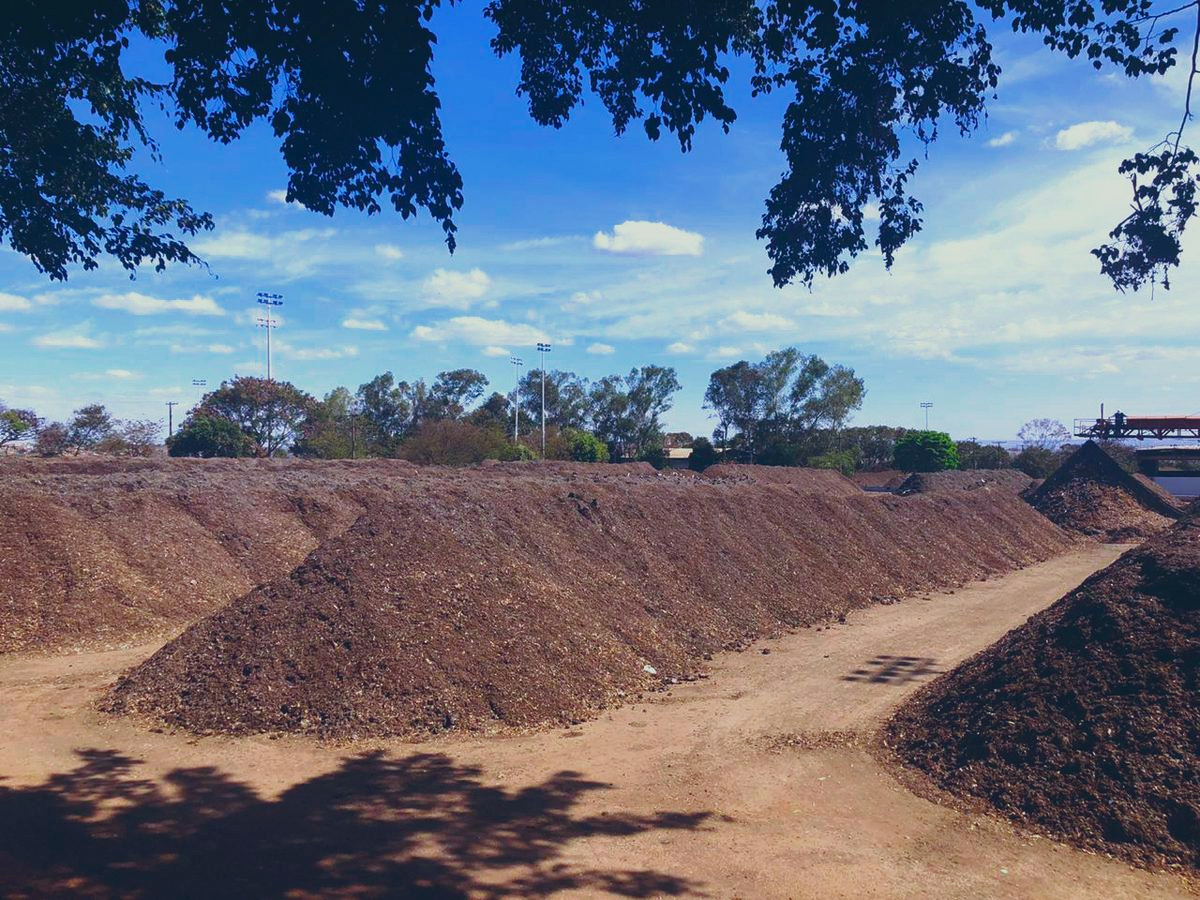 Biological Treatment Aerobic Composting
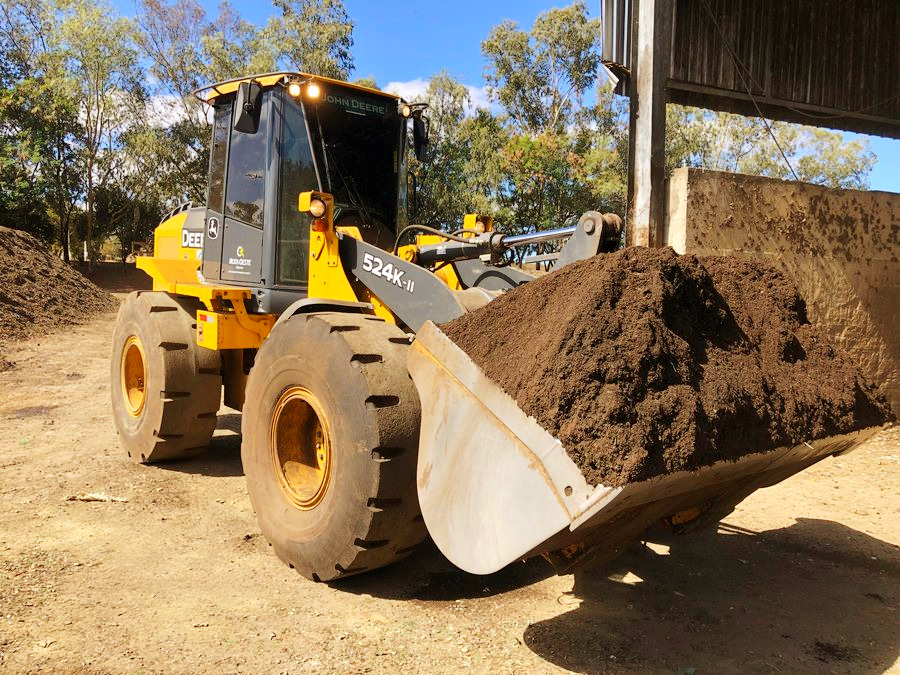 · Enlarge photoFinal product