Industry
The role of industry for the environment
The most diverse sectors of the economy are reviewing their production models, adapting processes and adopting technologies to reduce GHG emissions.
Recycling
Surface mining
Recycling is like mining, only on the surface.
In other words, it is practically a new industrial segment, devoted to tapping renewable sources of raw materials in urban areas: a sustainable industry and one of the fundamental pillars for reducing the exploitation of natural deposits, creating jobs and establishing the Circular Economy, while enabling a significant reduction in GHG emissions.
Industry
The role of Brazilian industry

Working in synergy with the public cleaning and urban waste management sector, Brazilian industry has a fundamental role to play in raising the country’s still very low rates of material recycling, organic waste recovery and energy generation, for the sustainable development of Brazilian cities and out of respect for future generations.
The Brazilian National Confederation of Industry (CNI) has led major initiatives such as the Sustainable Business COP (SBCOP), and the Brazilian Association of Industrial Engineering (ABEMI) has taken part in the “Brazil Pact for Infrastructure”, a strategy proposed by the private sector to secure the infrastructure the country needs to develop in the coming decades.
The waste generated in urban areas is an inexhaustible source of resources, which can (and should) be tapped within the urban area.
This is possible with viable and sustainable technologies that allow the different fractions (recyclables, organics and rejects) to be valorized without impacts on the neighborhood or the environment, thus recovering materials on an industrial scale and generating renewable energy safely and efficiently.
Much of the population that generates urban waste is also made up of potential consumers of the recycled products these recycling industries can make. They all live within the urban area, as do the waste pickers who, for generations, have made a living collecting recyclables in completely unhealthy conditions.
That is why it is essential that, whenever possible, waste treatment industries are located within the urban area and involve waste picker cooperatives in the industrial process, which ensures greater safety and productivity in sorting and helps solve one of the biggest problems still facing Brazil: social inequality.
Technology
Technological routes
The flowchart below shows existing technological routes, involving different urban waste treatment units that complement each other and make it possible to valorize each fraction of unsorted waste, recover materials on an industrial scale and generate renewable energy.
Flowchart · Technological alternatives
- MSW Unsorted household waste, door-to-door collection
- scale
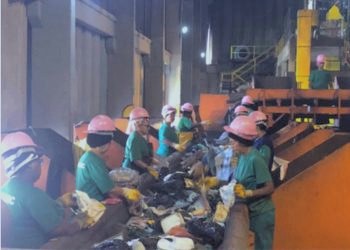
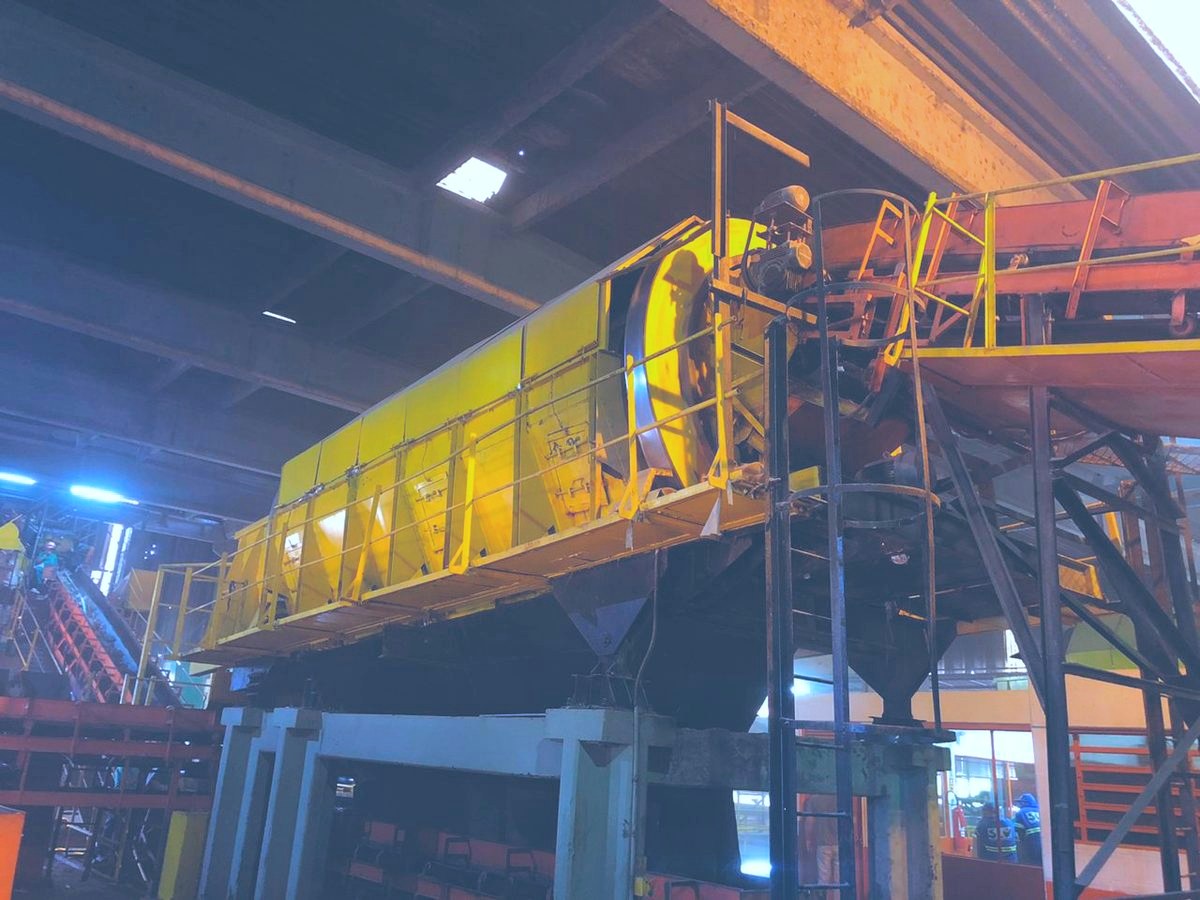 Mechanical Treatment bag opener, rotary screens, conveyors for manual sorting
- Recyclable Waste
- Cooperatives, sale to industries
- Organic Waste
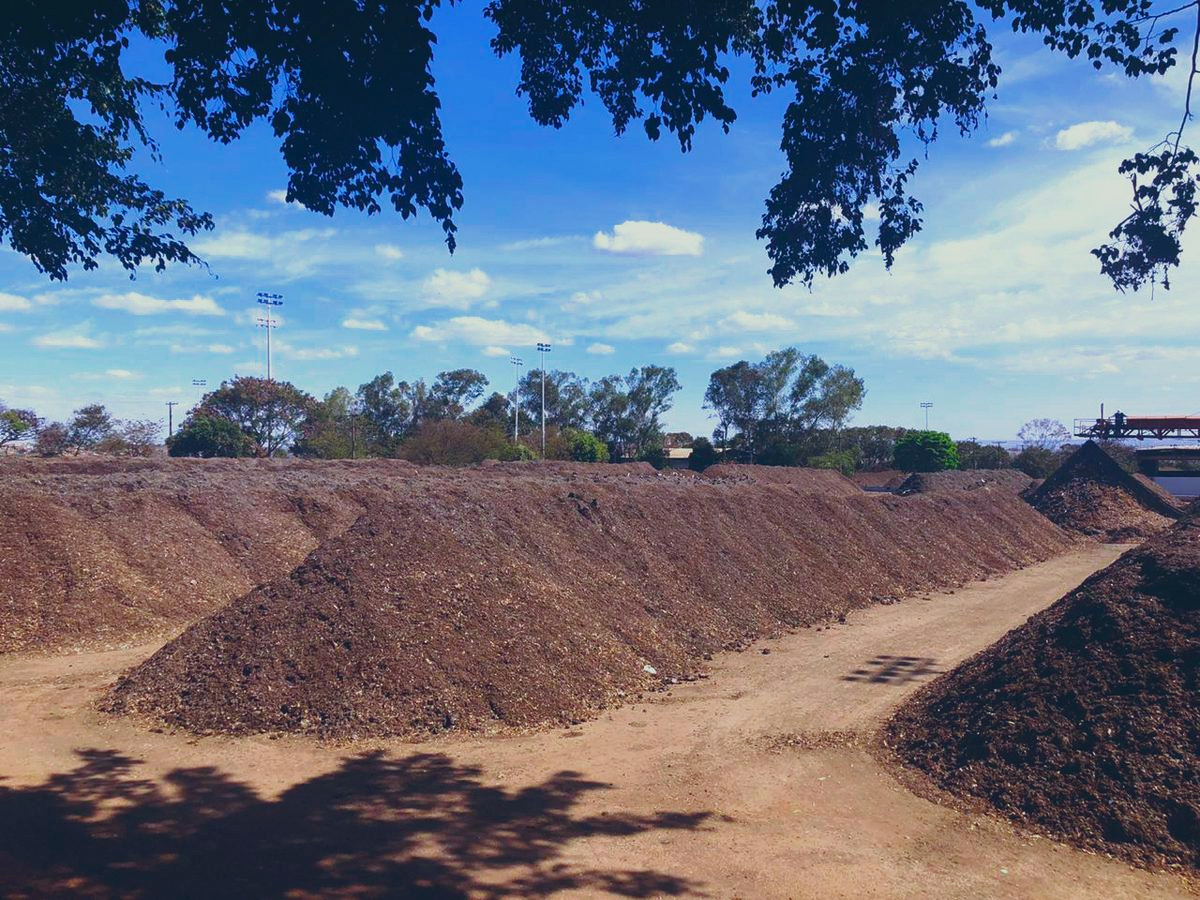 Biological Treatment Aerobic Composting
- or Bioenergy sanitary landfill
- Electricity generation
- or Biofuel (Biomethane)
- Rejects
- Bioenergy sanitary landfill (the same landfill as in the organics branch)
- Electricity generation
- or Biofuel (Biomethane)
- or Energy from Waste (EfW)
- or RDF - Cement plants
- Bioenergy sanitary landfill (the same landfill as in the organics branch)
- Recyclable Waste
The technologies used by Aiesse Ambiental follow technological routes already well established in other countries, adapted to the local reality (climate, waste composition, resource availability, etc.) of each project in Brazil, such as the case recognized by the SB COP as an innovative, scalable solution that delivers social, environmental and economic results aligned with the Paris Agreement.
Despite all the potential social, environmental and economic benefits, the segment of industrial urban waste treatment units is still in its early stages in Brazil.
Industrial processes need to be adapted to the local reality of each project, with modern technologies that allow each fraction (recyclables, organics and rejects) of unsorted waste to be valorized within the urban area. This enables:
- a longer lifespan for sanitary landfills;
- lower transport costs;
- the generation of renewable energy;
- the reduction of GHG emissions;
- new industries that make new products from the recyclable materials (glass, plastics, metals, cardboard, etc.) and organics found in “ordinary trash” (= unsorted waste).
Next steps
New Mechanical Treatment units
New Mechanical Treatment (MT) units need to be built in the metropolitan regions of Brazil and other developing countries, in order to maximize material recovery rates, enable renewable energy generation and reduce greenhouse gas (GHG) emissions, especially methane, one of the main drivers of climate change.
MODEL PROJECT
An integrated project: a mechanical treatment unit + a Residual Waste Energy Recovery Plant (CRER)
One of the projects developed by Aiesse Ambiental in partnership with companies that are national and global leaders in their fields combines a Mechanical Treatment unit with a Residual Waste Energy Recovery Plant (CRER).
Together, these technologies can divert up to 90% of mixed waste from landfill by recovering recyclable materials sorted at the mechanical treatment plant with the participation of cooperatives, while generating 57 MW of renewable energy, enough to supply 100,000 households for 60 (sixty) years.
Continue to