Activities
Coordination of ABEMI’s Waste / Energy from Waste committee (opens in a new tab)
Aiesse Ambiental coordinates the Waste / Energy from Waste (EfW) committee of the Brazilian Association of Industrial Engineering (ABEMI).
Aiesse Ambiental
Aiesse Ambiental connects local and global expertise to implement sustainability solutions that enable the decarbonization of the waste management sector.

Climate
The intensification of global warming has caused climate change that directly affects not only people’s well-being and the environment, but also the performance of many sectors of the economy, such as power generation, agriculture, tourism, etc.
This phenomenon has been caused by growing emissions of different gases into the atmosphere, especially methane (CH4), one of the main drivers of the greenhouse effect, which raises the average temperature of the atmosphere and oceans.
Since it is practically impossible to control methane emissions from natural sources (volcanic eruptions, wetlands, melting polar ice caps, etc.), efforts and investments are being made worldwide to control methane emissions across the most diverse sectors of the economy.
Urgency
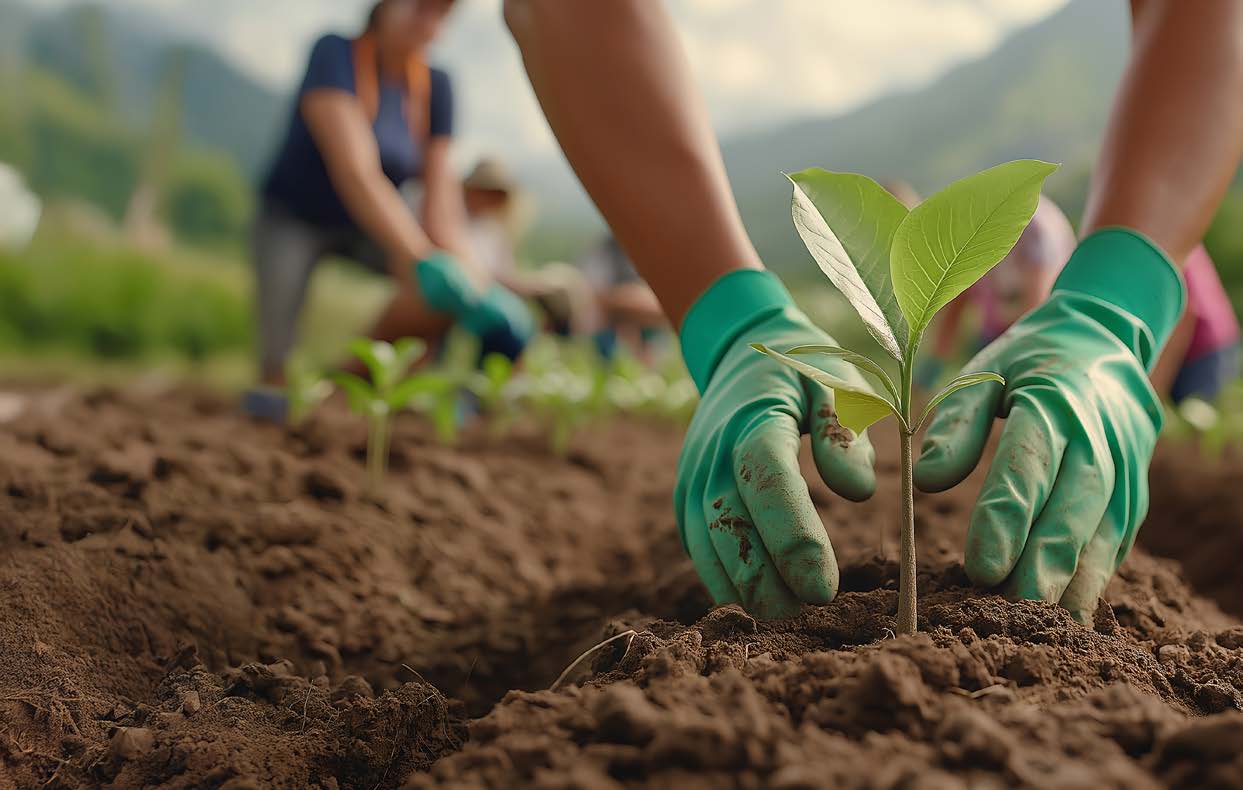
By reviewing their production models, sectors seek to slow climate change and keep it from intensifying even further, which could reach a “point of no return” and cause growing losses, not only economically but also to the quality of life of all living beings.
Large GHG emissions occur during public cleaning and urban waste management services — essential services for urban infrastructure to work properly, since they prevent soil, water and air pollution and minimize public health problems; in other words, they are fundamental to the quality of life of city dwellers and to the preservation of the environment.
On top of the climate crisis come today’s growing demand for energy and the global geopolitical instability that has directly affected the supply of fossil fuels and chemical fertilizers, forcing countries to adapt their supply chains in search of new energy sources and less reliance on external inputs, using renewable sources whenever possible, which also makes production cycles more sustainable.
KNOW HOW and NETWORK
Activities
Aiesse Ambiental coordinates the Waste / Energy from Waste (EfW) committee of the Brazilian Association of Industrial Engineering (ABEMI).
Member
Brazilian Association for the Recycling of Construction and Demolition Waste.
Member
Brasília Builders Association.

Member · tribute
A Britcham member, Aiesse Ambiental received a tribute from the Chamber in November 2025 for its actions on climate and environmental issues.
Recognition
The case submitted by Aiesse Ambiental to the SB COP, a global initiative led by the Brazilian National Confederation of Industry (CNI), was recognized as an innovative and scalable solution.
International partnership
Aiesse Ambiental is a partner of EfW Net (Energy from Waste Network), an international network that supports the development of energy recovery projects from biogas and/or rejects (the non-recyclable fraction).
Founding member
Founding member of the Valoriza Resíduos Institute by ABLP (IVR), where it sits on the board and the technical committee. IVR is the only Brazilian institution affiliated with the European Waste Management Association (FEAD) ↗, a connection of great importance for the development of the waste management sector in Brazil.
Experience
Aiesse Ambiental’s experienced technical team takes part in developing projects and implementing major urban cleaning contracts.
Activities
Fundamental pillars of the Circular Economy.
The focus is on technologies that allow urban waste to be valorized on an industrial scale, enabling:
Social inclusion
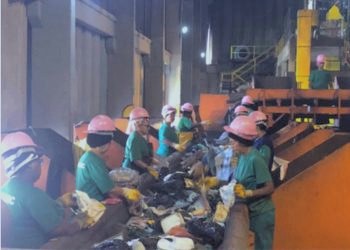
Manual sorting of recyclables is carried out by members of recycling cooperatives, who are part of the industrial process.
That is why it is essential that, whenever possible, waste treatment industries are located within the urban area and involve waste picker cooperatives in the industrial process, which ensures greater safety and productivity in sorting and helps solve one of the biggest problems still facing Brazil: social inequality.
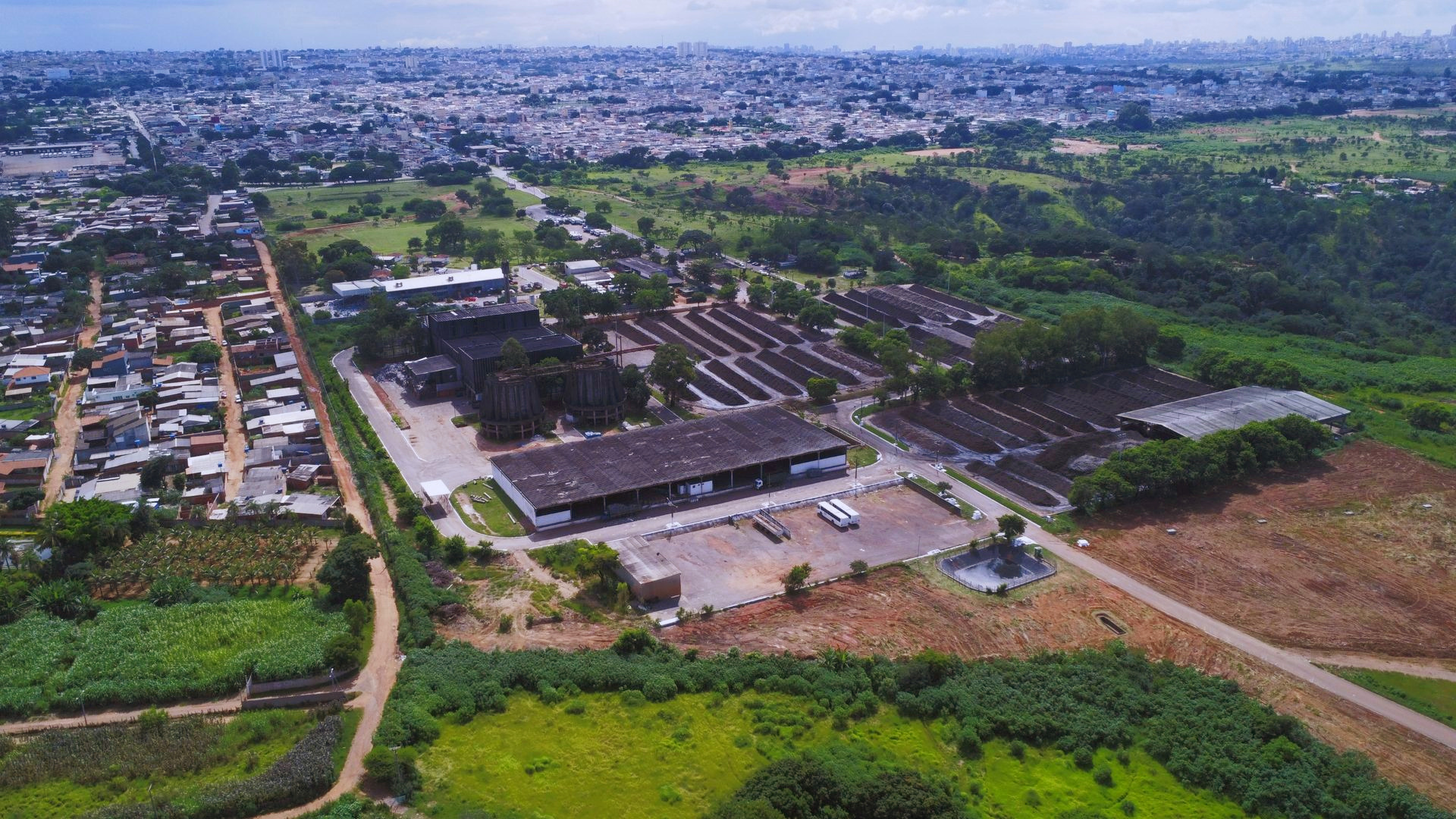
Success case in Ceilândia, Federal District
The case shows, in practice, that recyclable materials and the organic fraction can be recovered even when everything is collected mixed together (= unsorted waste).
 · Enlarge photo
 · Enlarge photo
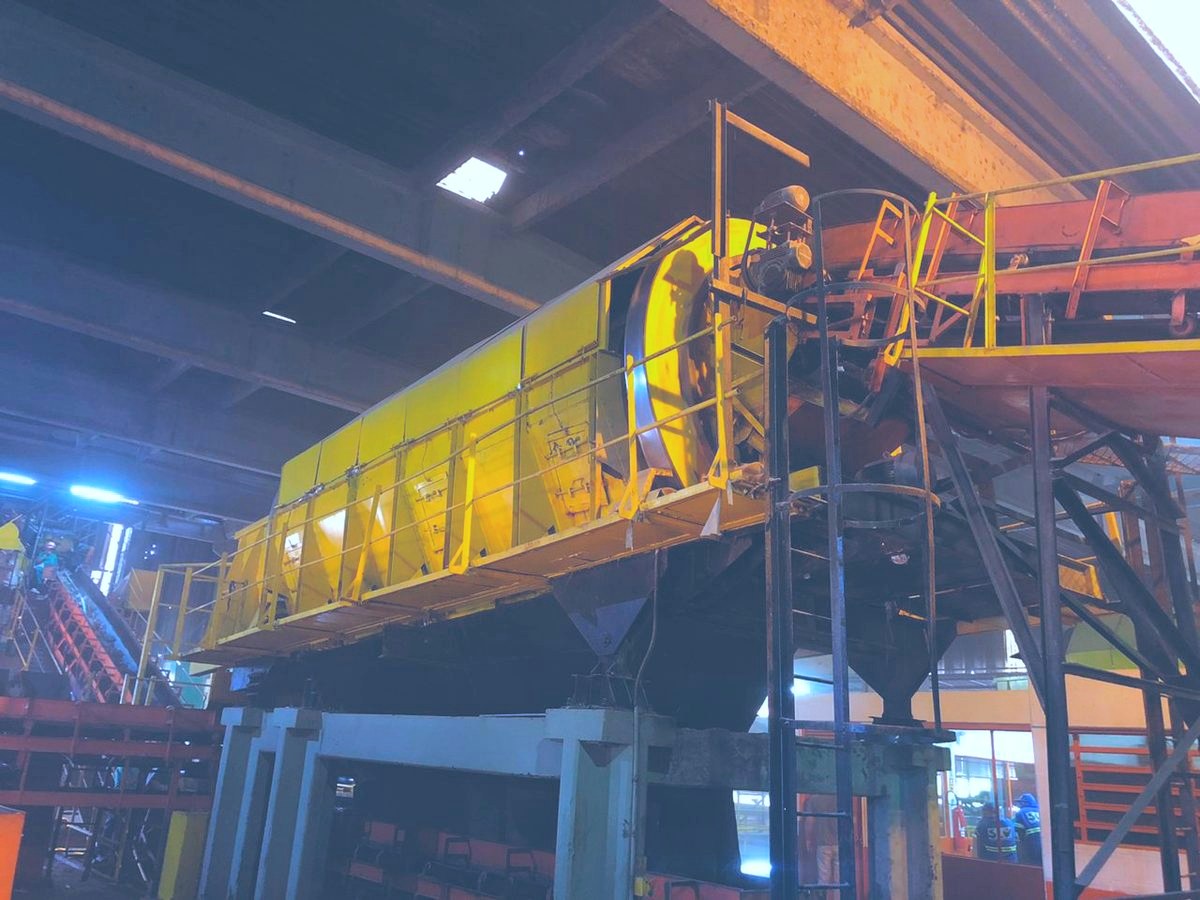
Garbage bags are opened mechanically and the waste is screened.
After screening, the recyclable fraction goes to manual sorting carried out by members of the cooperatives.
 · Enlarge photo
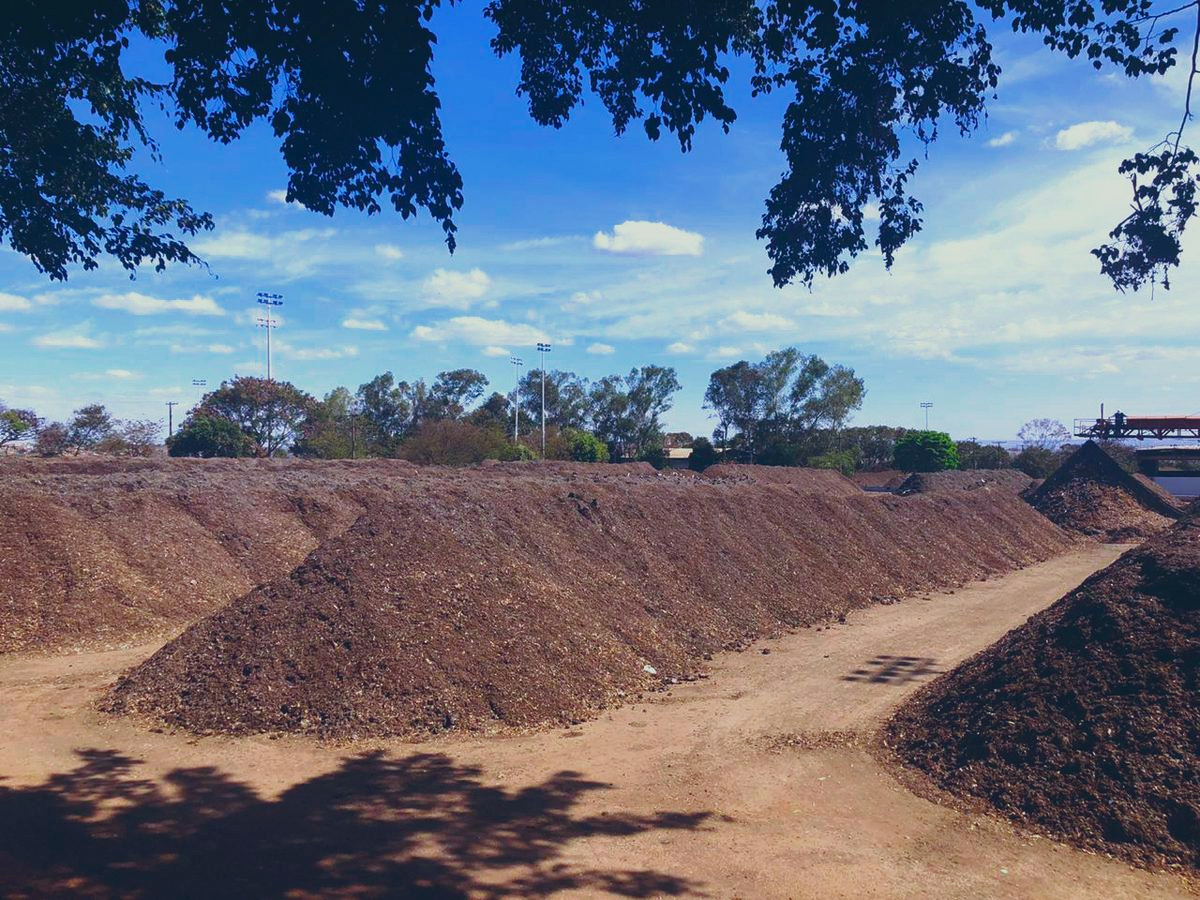
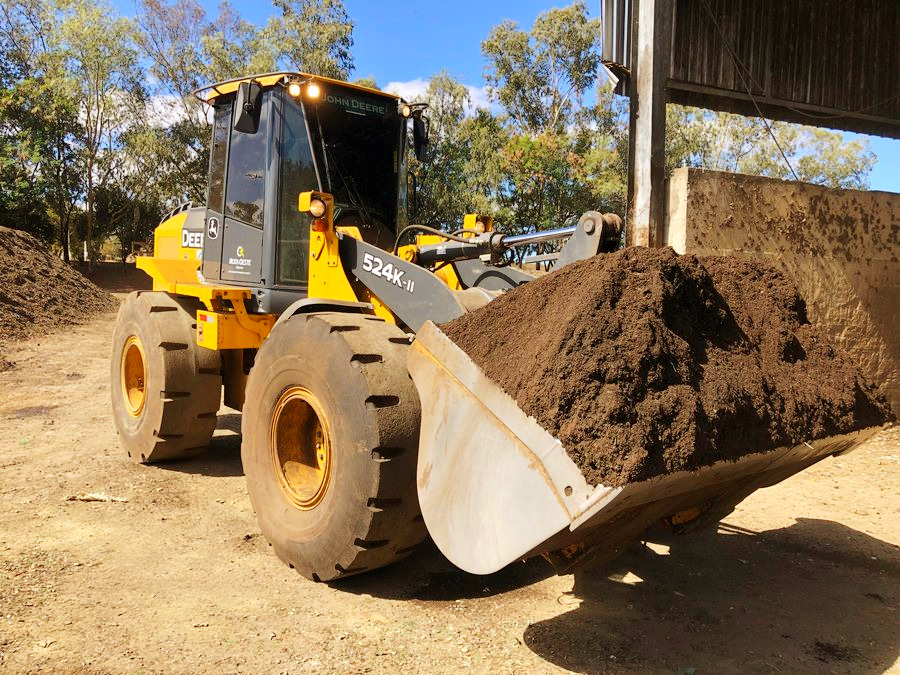
The organic fraction is sent to the composting yard.
 · Enlarge photo
The quality of the compost produced is certified through periodic tests by independent laboratories.
Success case recognized by the SBCOP
Landfill diversion
44%
of the 650 t/day of unsorted waste received is diverted from landfill
Annual emissions reduction (year 10)
34,800
tCO2e
annual emissions reduction, for year 10
Certified organic compost
48,000
tonnes/year
of certified organic compost
Data from the success case recognized by the SB COP. Results achieved vary from project to project.
Company
The urban waste management sector can (and should) play a decisive role in reversing global warming through the development of projects that reduce greenhouse gas (GHG) emissions.
Implement industrial treatment facilities using viable and sustainable technologies that enable the valorization of the different fractions of urban waste (recyclables, organic waste and rejects), serving as a benchmark for climate change mitigation initiatives in the public sanitation sector.
Waste
The public cleaning and urban waste management sector involves the provision of essential services that protect the population from public health problems and prevent soil, water, and air pollution, being strategic for ensuring quality of life and the sustainable future of cities.